
Home / Guides / CCTV camera guide
GuideCCTV camera buying guide: what to choose and why
A plain guide to camera types, resolution, night vision, storage and networking, written by the engineers who install them. Use it to read any CCTV quote, including ours.
1. Camera types
| Type | Best for | Watch out for |
|---|---|---|
| Bullet | Gates, boundaries, driveways: long narrow views | Visible, so easier to tamper with; IR attracts insects and spider webs |
| Dome | Indoors: shops, offices, lobbies | IR reflections if the dome cover is dirty or scratched |
| Turret (eyeball) | Indoors and outdoors where IR performance matters | Slightly less tamper-resistant than a vandal dome |
| PTZ | Large yards, parking, campuses with an operator | Records only where it is pointing; needs a good mount and power |
| Fisheye / panoramic | Shop floors and halls, one camera for a whole room | Less detail at the edges |
| ANPR | Vehicle gates, plate reading | Needs the right height, angle and IR; not a general camera |
2. Resolution: what you need to see
Decide what each camera must achieve before choosing megapixels. Monitoring general activity needs far less detail than recognising a face or reading a plate. A 4 MP camera with the right lens at the right spot beats an 8 MP camera pointed at the wrong place.
- 2 MP (1080p): general coverage of rooms, corridors and small spaces
- 4 MP: the practical default for entrances and outdoor areas
- 5 to 8 MP (4K): wide areas where you may need to zoom into recordings, or detail at distance
3. Night vision
IR cameras record in black and white at night using infrared light. Colour-night or full-colour cameras use a larger sensor and a small white light to keep colour, which helps identify clothing and vehicles. In very dark compounds, better site lighting often improves footage more than any camera upgrade.
4. Glare and backlight
Bangalore entrances often face bright sky or glass. Look for true WDR (wide dynamic range) on cameras facing doors, gates and shopfronts, or faces become silhouettes.
5. Weather and tamper ratings
Outdoor cameras should be IP66 or IP67 rated for dust and rain. IK10 vandal ratings matter where cameras are within reach. Cable joints and connectors also need protection: many monsoon failures are at the connector, not the camera.
6. IP or HD analog?
IP cameras carry video, power (PoE) and control over one network cable, give better image quality and support smarter analytics. HD analog cameras use coaxial cable and are a sensible upgrade path where good coax already exists. For new installations we usually recommend IP.
7. Storage and retention
Storage depends on cameras, resolution, compression (H.264 or H.265), frame rate, and whether you record continuously or on motion. Premises covered by the Karnataka Public Safety Act are expected to keep 30 days. Use our CCTV storage calculator to estimate the disks you need.
8. Network and power
PoE switches power IP cameras over the network cable, up to about 100 metres. Size the switch for the total power the cameras draw, put the recorder and switches on a UPS, and keep cameras on their own network segment where possible.
9. AI features worth paying for
Person and vehicle detection cuts false motion alerts from animals, leaves and rain. Line crossing and intrusion zones are useful at boundaries. Face and plate recognition are specialised and need correct installation to work well. Be wary of feature lists you will never use.
10. How to read a CCTV quote
- Every camera listed with brand, model and lens
- Recorder model and number of channels, with spare capacity
- Hard disk size, and the retention it gives at your settings
- Switch, cable type and length, conduit, UPS
- Installation, configuration, mobile app setup and training
- Warranty terms and AMC options
Questions we get asked
What resolution CCTV camera should I buy?
For most homes and shops, 2 MP to 4 MP is enough. Use 4 MP to 8 MP where you need to identify faces or read details at a distance, such as gates and cash counters.
Is H.265 better than H.264?
For the same image quality, H.265 usually needs roughly half the storage and bandwidth of H.264, so you can keep more days of footage on the same hard disks. Your recorder must support it.
How far can a PoE camera be from the switch?
Standard Ethernet with PoE is limited to about 100 metres of cable. Longer runs need fibre, a PoE extender or a switch closer to the camera.
Do I need a PTZ camera?
Only for large open areas where someone will actively watch and zoom, or where a tour pattern helps. Fixed cameras are better for continuous evidence, because a PTZ only records where it is pointing.
Related services
CCTV Installation
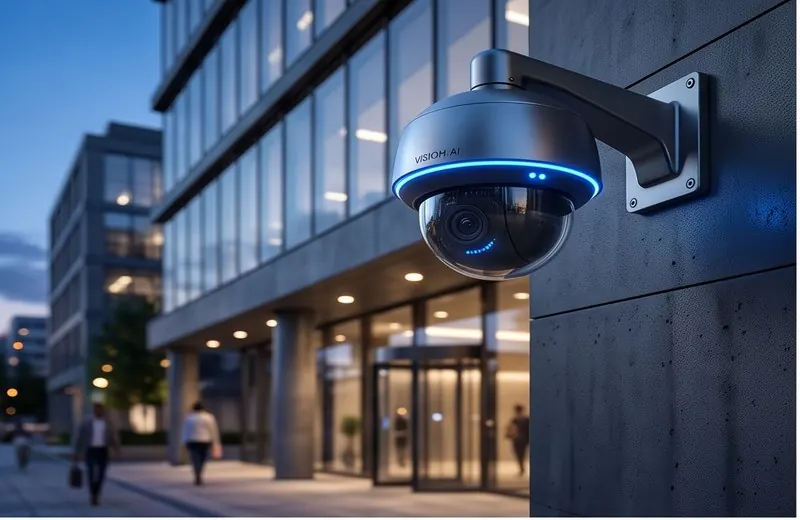
Site-surveyed IP, PTZ and AI camera systems with storage sized to your retention days.
Learn more →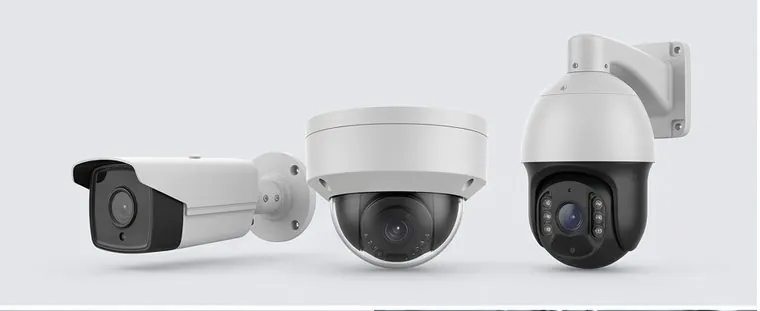
CCTV AMC & Repair
Preventive visits and recording checks, so cameras work when you need the footage.
Learn more →
IT & Networking
Cabling, racks, switches, Wi-Fi and storage under your cameras, phones and laptops.
Learn more →Tell us what you need to secure
An engineer visits, not a salesperson. You get a written assessment, an itemised BOQ with brand, model, quantity and rate, and an honest list of what you do not need.